.webp)


How to Choose the Right Mobile Crusher: A Buyer's Guide
July 14, 2025
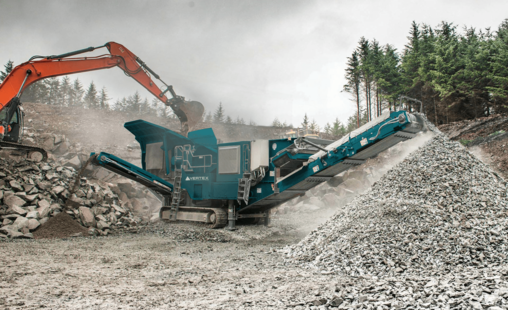
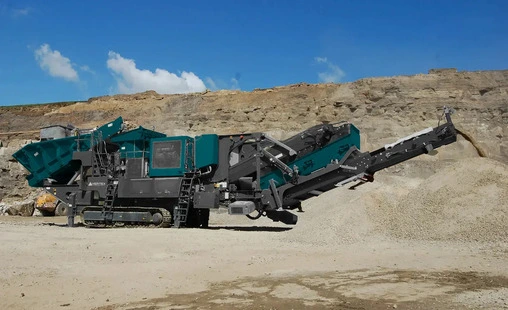
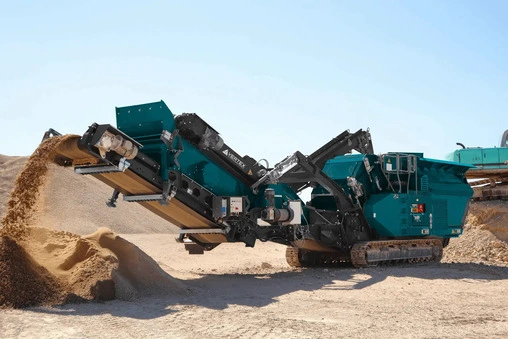
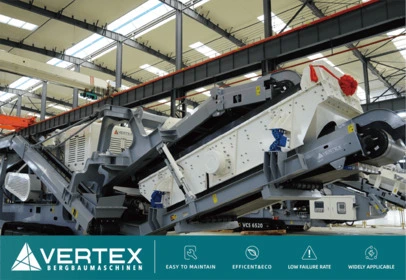
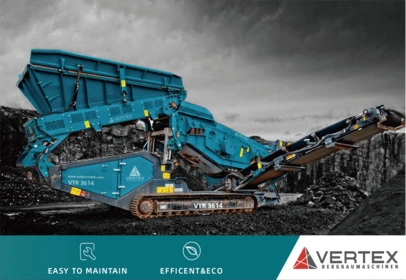
Selecting the right mobile crusher is a critical step for construction contractors, mining operators, and recycling professionals. With so many types, models, and configurations available, buyers often face confusion over which machine best suits their specific project requirements. Choosing the wrong mobile crusher can result in inefficiencies, high operating costs, and delayed timelines. This comprehensive guide is designed to help you navigate that decision by exploring key factors such as material type, capacity, site conditions, and operational goals. We'll also introduce essential product types like mobile jaw crushers, cone crushers, impact crushers, feeders, and screening units, and how they can be configured to match your project needs.
Common Challenges Faced by Buyers
Before diving into technical specifications, it is essential to understand the common challenges buyers face when selecting a mobile crusher:
- Material Mismatch: Many users are unsure which crushing mechanism is suitable for their specific materials (hard rock, recycled concrete, asphalt, etc.).
- Unclear Output Requirements: Clients often lack precise knowledge about desired output size or shape, which affects downstream processes.
- Diverse Project Scales: From small urban demolition to large-scale mining, one-size-fits-all solutions rarely work.
- Mobility Concerns: Remote sites, hilly terrain, and frequent relocation needs demand flexible and transportable units.
- Maintenance Worries: Concerns about spare parts availability, ease of maintenance, and the need for trained operators.
- Budget Limitations: Balancing upfront investment with long-term productivity and operating costs.
This guide tackles each of these challenges by providing actionable insights and recommending equipment based on real-world needs.
Factor 1: Material Type
The first and most crucial step is matching the crusher type to your raw material. Here are the main considerations:
For Hard Rock (Granite, Basalt, River Stone):
Recommended: Mobile Cone Crusher
Why: Offers high reduction ratios and excellent particle shape. Cone crushers are built to handle high abrasion and compressive strength.
For Recycled Materials (Concrete, Asphalt):
Recommended: Mobile Impact Crusher
Why: Designed to handle softer materials and deliver uniform, cubical output. Ideal for urban demolition and recycling applications.
For Primary Crushing (General Purpose):
Recommended: Mobile Jaw Crusher
Why: Effective for breaking large rocks into smaller pieces. Serves as the first stage in many crushing circuits.
Each crusher type works best under specific conditions. Matching material characteristics with the crushing mechanism leads to better efficiency and less wear.
Factor 2: Production Capacity
How many tons per hour do you need to process? Your answer affects not only the crusher model but also the associated components.
Small-Scale Projects (50-150 TPH):
Ideal Setup: Compact Mobile Jaw Crusher with optional screening deck.
Medium Projects (150-300 TPH):
Ideal Setup: Mobile Cone Crusher or Mobile Impact Crusher paired with a Mobile Screening Plant.
Large-Scale Production (>300 TPH):
Ideal Setup: Modular crushing station with Mobile Feeder, Jaw Crusher, Cone/Impact Crusher, and Vibrating Screen.
Capacity planning ensures the equipment doesn't become a bottleneck or remain underutilized, which impacts ROI.
Factor 3: Site Conditions & Mobility
Working environment influences your choice in terms of machine mobility, setup speed, and footprint.
Urban or Confined Sites:
Recommended: Compact Track-Mounted Mobile Crushers with noise and dust control features.
Why: Smaller turning radius and faster setup allow work in limited space.
Remote or Rugged Terrain:
Recommended: Crawler-Type Mobile Units with hydraulic leveling systems.
Why: Better traction and stability on uneven ground. Suitable for mining or infrastructure in hilly areas.
Frequent Relocations:
Recommended: Modular design with quick-disconnect features.
Why: Saves time and costs on dismantling and transport.
Factor 4: Operation & Maintenance
Efficient operations depend on intuitive control systems, minimal downtime, and available support.
Easy Access Design: Choose crushers with hydraulic opening chambers.
Automation: Look for models with touchscreen control panels and real-time diagnostics.
Wear Part Availability: Ensure supplier offers fast delivery of spares and on-site support.
Safety Systems: Must include emergency stops, belt guards, and overloading sensors.
Factor 5: Budget & Lifecycle Cost
Price matters, but so does total cost of ownership.
Initial Cost: Compact crushers cost less, but may limit capacity and application range.
Fuel Efficiency: Consider hybrid or electric models to reduce long-term operational costs.
Maintenance: Look for systems that reduce manual labor and parts replacement cycles.
Modular Configurations: Building Your Custom Crushing Line
Many manufacturers now offer plug-and-play systems to let you build the exact mobile plant you need:
Expert Recommendations
Here are some quick takeaways based on years of field experience:
Not all high-output machines are better. Choose size based on actual daily output needs.
Do site surveys. Know your terrain, power availability, and transport routes.
Think long-term. Pay attention to energy consumption and spare parts pricing.
Request material tests. Some suppliers offer lab testing to suggest the best crusher configuration.
Choosing the right mobile crusher doesn't have to be overwhelming. By focusing on your material type, capacity needs, site limitations, and budget, you can identify the ideal combination of crushing and screening equipment. Modular systems allow you to start small and expand as your business grows. Visual product inserts and clear recommendations guide buyers to the most relevant solutions. Whether you're breaking down granite in the mountains or recycling concrete in the city, a well-chosen mobile crusher setup will save time, reduce costs, and increase project profitability.
Ready to build your mobile crushing solution? Contact our team for expert advice and explore the full range of products including jaw crushers, impact crushers, cone crushers, feeders, and screening units tailored to your needs.
Recent articles
- Rock Crushers Unveiled: All the Insider Secrets You Must Know
- Crushing Equipment: An In - Depth Exploration
- Crushed Concrete: The Rise and Application of Sustainable Construction Materials
- Everything You Need to Know about Jaw Crushers and Mobile Jaw Crushers
- Everything You Need to Know About Buying and Renting Rock Crushers