.webp)


Crushing and Screening Equipment for High-Performance Aggregate Production
April 16, 2025
In the world of construction and infrastructure development, the need for high-quality aggregates is paramount. Aggregates, such as sand, gravel, and crushed stone, form the backbone of concrete, road construction, and many other essential materials. The efficiency and quality of aggregate production rely heavily on the crushing and screening processes. By using the right combination of crushing and screening equipment, businesses can enhance productivity, meet specific material requirements, and reduce operational costs. This article explores the benefits of using advanced crushing and screening equipment for high-performance aggregate production.
Importance of High-Quality Aggregates
High-quality aggregates are essential for the strength, durability, and longevity of concrete and asphalt mixes. Poor-quality aggregates can lead to weak concrete, resulting in cracked or failed structures. As urbanization and infrastructure projects continue to expand, the demand for quality aggregates grows. Therefore, the ability to efficiently process raw materials into the desired aggregate sizes is crucial for meeting these increasing demands.
Types of Crushing Equipment in Aggregate Production
1. Primary Crushers: The first step in the crushing process typically involves breaking large rocks into smaller, manageable sizes. Jaw crushers are widely used in primary crushing. They consist of two jaws, one fixed and one movable, which work by compressing the material. Jaw crushers are particularly effective for hard, abrasive materials like granite and basalt, which are common in aggregate production.
2. Secondary Crushers: After the primary crushing stage, secondary crushers like cone crushers and impact crushers further reduce the material size. Cone crushers use a rotating mantle to crush materials and provide uniform output, making them suitable for producing high-quality aggregates with a consistent gradation. Impact crushers, on the other hand, use impact forces to break the material, producing more angular particles that are ideal for certain types of aggregate applications, such as fine aggregates.
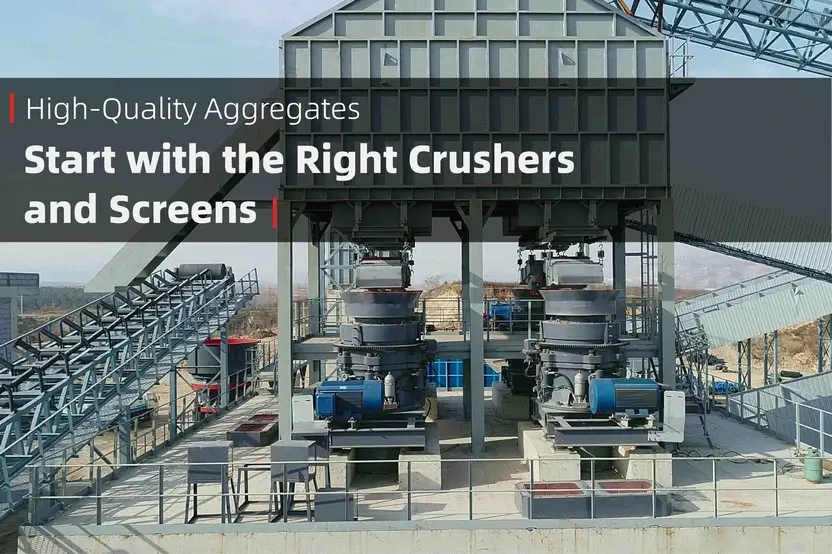
3. Tertiary Crushers (Optional): For fine-grade aggregates, a vertical shaft impact (VSI) crusher may be employed. VSI crushers refine crushed materials further, producing fine particles that meet precise specifications. This stage is crucial when producing high-performance aggregates for specialized construction and concrete applications.
The Role of Screening Equipment
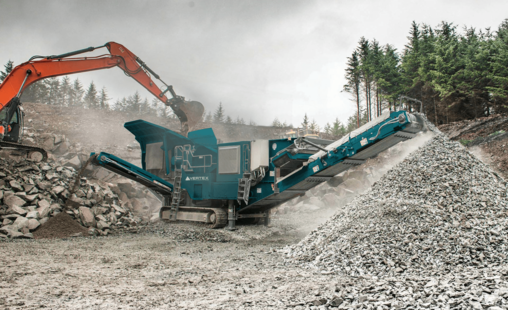
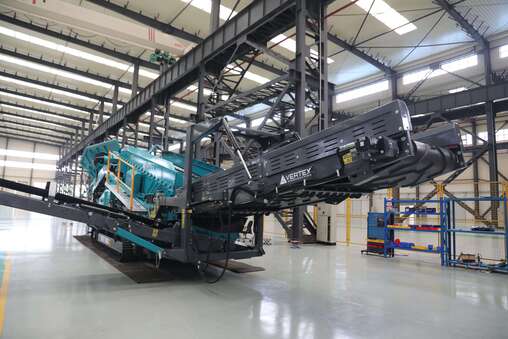
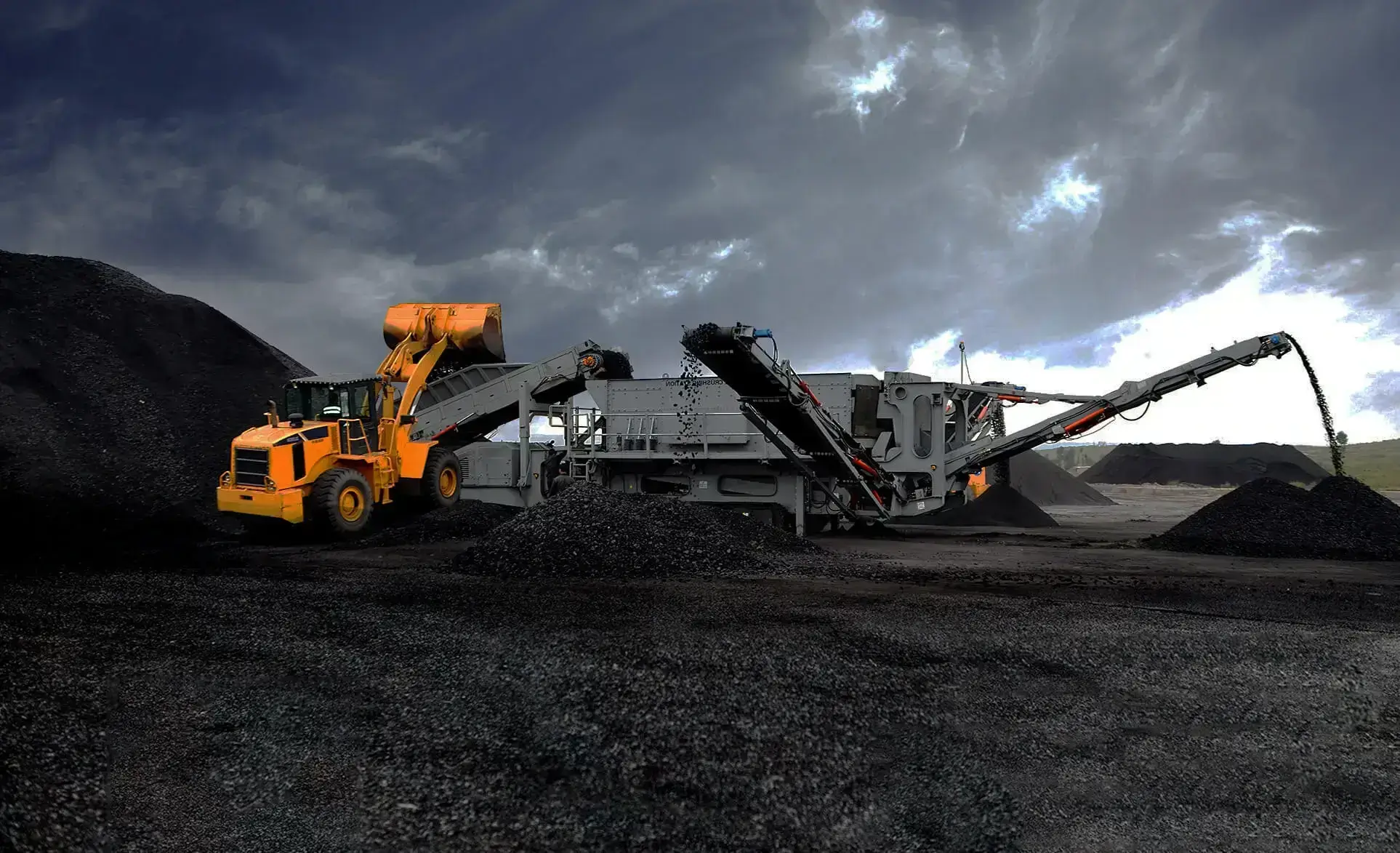
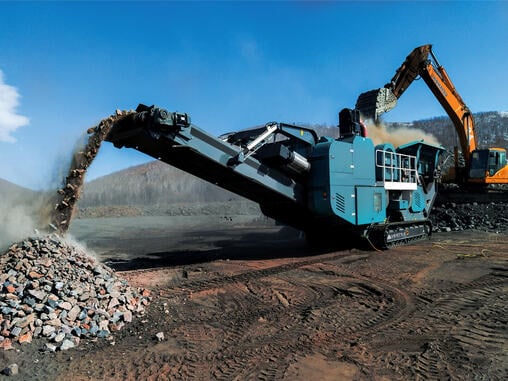
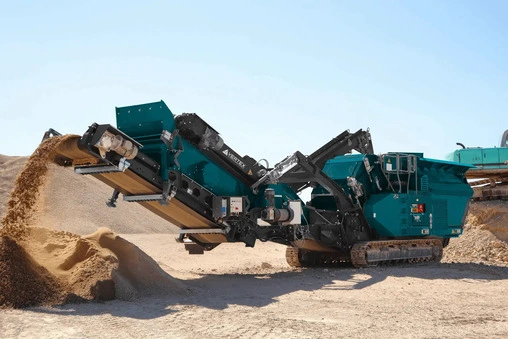
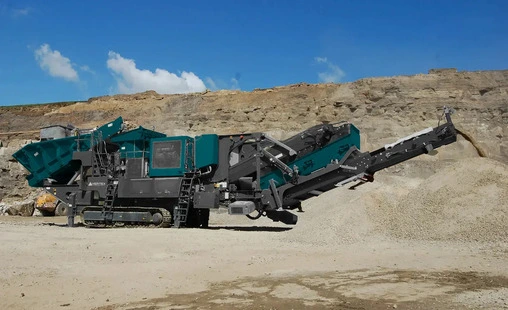
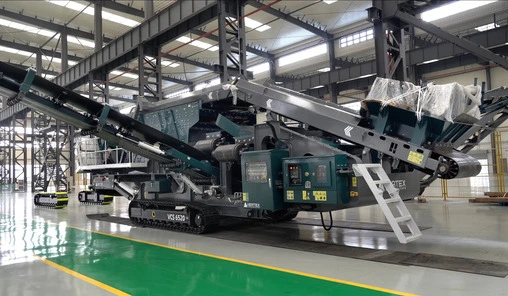
Screening equipment is a crucial part of aggregate production, ensuring that the final product meets specific size requirements. After material is crushed by machines such as the Mobile Jaw Crusher, Mobile Cone Crusher, or Mobile Impact Crusher, a Mobile Screening Station is often used to separate materials into precise size fractions.
A vibrating screen within the screening station ensures that oversized material is removed and that the final product is accurately graded. These screens can be configured with multiple decks to produce several size fractions simultaneously, improving processing efficiency and throughput.
In more moisture-heavy environments, wet screening systems may be employed to handle sticky or wet materials—ensuring excess water is removed before further processing. Integrating crushers with mobile screening solutions not only streamlines production but also boosts on-site adaptability for projects with changing material requirements.
Synergy Between Crushers and Screens
The combination of crushing and screening equipment creates a seamless workflow that maximizes efficiency and ensures the production of high-quality aggregates. Crushers break the large rock into smaller pieces, and the screens then sort the material into specific size ranges, which can be directly used in construction projects.
Optimizing the integration of crushers and screens is essential for achieving optimal throughput, reducing downtime, and ensuring consistent quality. Adjusting settings like feed rates, crusher settings, and screen mesh sizes ensures that the equipment works harmoniously to achieve the desired product specifications.
Maintaining Equipment for Optimal Performance
To maintain the quality of production, regular maintenance of crushing and screening equipment is essential. Maintenance tasks such as cleaning screens, inspecting wear parts, and checking crusher settings help to minimize downtime and avoid equipment failures. Preventative maintenance can also help to extend the life of equipment and reduce the need for costly repairs.
Incorporating wear-resistant components in crushers, such as high-quality liners and impact plates, further enhances the durability of the equipment, enabling it to withstand the abrasive nature of the materials it processes.
Environmental Considerations and Dust Control
In aggregate production, controlling dust emissions and minimizing environmental impact is critical. Crushing and screening processes generate dust, which can be hazardous to both workers and the environment. Modern dust suppression systems are integrated into equipment to control emissions, ensuring compliance with environmental regulations.
These systems often include cyclone dust collectors, which capture airborne dust particles, and sprinkler systems, which wet the materials and reduce the amount of dust produced. Additionally, noise reduction technologies in crushers and screens help to minimize the impact on surrounding areas.
These systems often include cyclone dust collectors, which capture airborne dust particles, and sprinkler systems, which wet the materials and reduce the amount of dust produced. Additionally, noise reduction technologies in crushers and screens help to minimize the impact on surrounding areas.
Mobile crushing and screening equipment has become a game-changer for the industry, especially for operations in remote or temporary sites. Mobile crushers and screens offer flexibility, enabling operators to move equipment to different locations as needed, ensuring efficient use of resources and reducing the need for expensive fixed infrastructure.
Mobile units provide a high degree of scalability, allowing operators to easily adapt to changing project demands. They also reduce transportation costs and enable faster project completion by eliminating the need to transport materials to a fixed crusher plant.
The use of high-quality crushing and screening equipment is essential for the efficient production of aggregates, ensuring that materials meet strict standards for quality, size, and performance. By choosing the right combination of crushers and screens, businesses can improve productivity, reduce operational costs, and enhance the overall quality of their aggregate products. Whether stationary or mobile, the right equipment tailored to the specific needs of the project will drive better outcomes in the production of aggregates for construction and infrastructure.
Incorporating modern technology and advanced features into crushing and screening systems ensures that production meets the growing demand for high-performance aggregates in the construction industry, while also reducing the environmental impact and improving operational efficiency.
Recent articles
- Rock Crushers Unveiled: All the Insider Secrets You Must Know
- Crushing Equipment: An In - Depth Exploration
- Crushed Concrete: The Rise and Application of Sustainable Construction Materials
- Everything You Need to Know about Jaw Crushers and Mobile Jaw Crushers
- Everything You Need to Know About Buying and Renting Rock Crushers